
Understanding the Role of Fraternal Beneficiary Societies in African Communities


Introduction to Fraternal Beneficiary Societies
Fraternal Beneficiary Societies have long played a crucial role in African communities, offering a unique blend of social, economic, and cultural support. These societies are member-based organizations that provide various forms of assistance to their members, ranging from financial aid to social engagement.
Their significance is deeply rooted in the communal culture that defines many African societies. By understanding their role, we can appreciate the multifaceted contributions they make to community resilience and development.

Historical Context and Evolution
Historically, fraternal beneficiary societies have evolved from traditional African communal practices. These organizations were initially formed to address communal needs such as funeral expenses, healthcare, and education support. Over time, they have adapted to changing social and economic landscapes.
Today, they continue to thrive by integrating modern financial services with traditional support systems, thereby providing a safety net for members in times of need.
Key Functions and Services
Fraternal Beneficiary Societies offer a variety of services that are vital to their members. These include:
- Financial Assistance: Providing loans, savings plans, and insurance services.
- Social Support: Organizing community events and fostering social bonds.
- Educational Opportunities: Offering scholarships and educational programs.

Economic Impact and Community Development
The economic impact of these societies is significant. By pooling resources, they empower members to invest in business ventures and personal development. This collective investment model enhances economic stability and growth within communities.
Moreover, these societies often support infrastructure development projects, contributing to the overall improvement of living standards. Their role in promoting entrepreneurship cannot be overstated, as they provide the necessary capital and mentoring for budding entrepreneurs.
Cultural and Social Influence
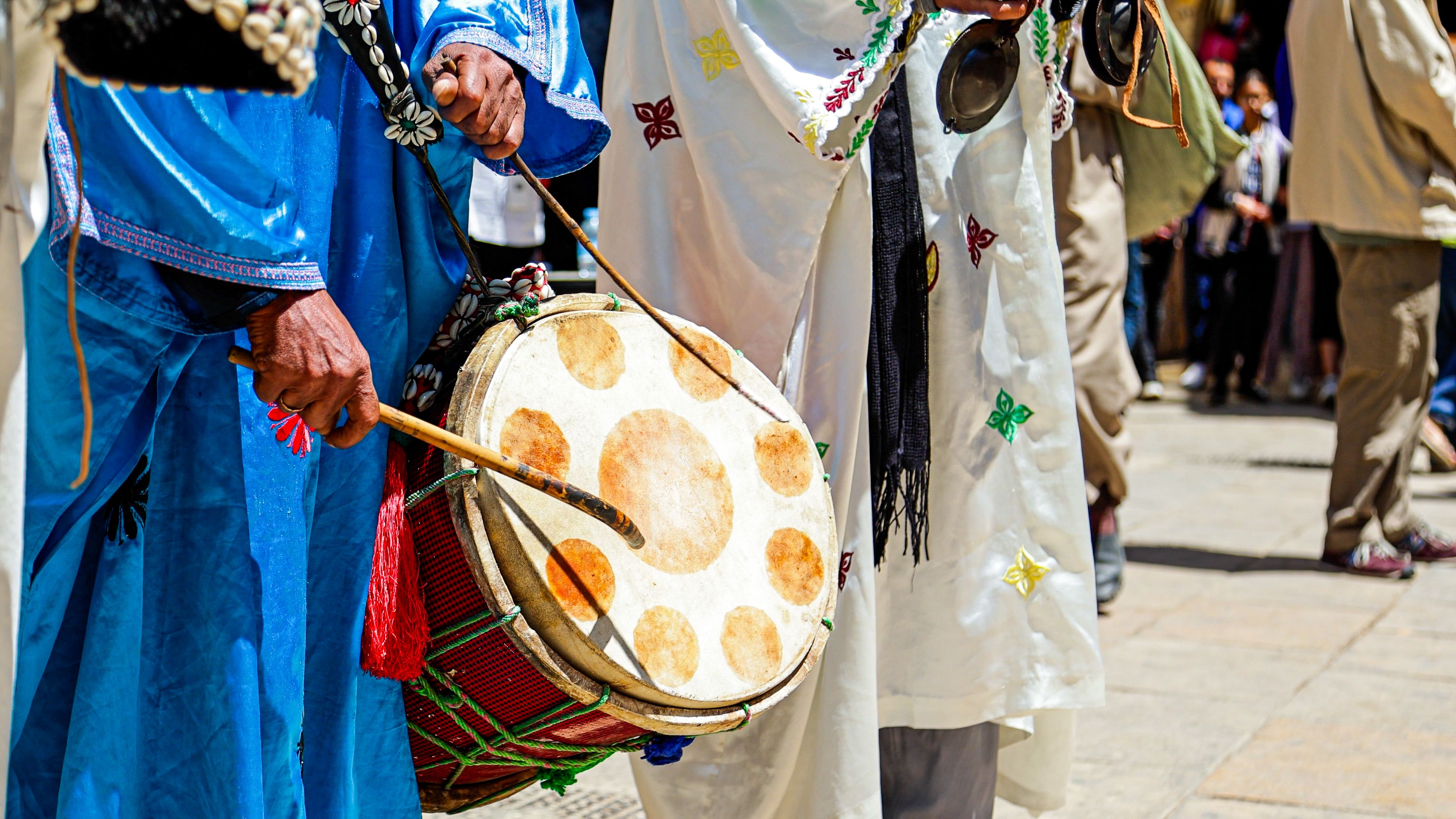
Beyond economics, fraternal beneficiary societies also serve as custodians of cultural heritage. They organize cultural festivals and preserve traditional practices, ensuring that cultural identity is maintained and celebrated.
These societies also play a pivotal role in social cohesion, bringing together diverse groups and fostering a sense of unity and belonging. This social fabric is essential for maintaining peace and harmony within communities.
Challenges and Opportunities
Despite their benefits, fraternal beneficiary societies face several challenges. These include regulatory hurdles, financial mismanagement, and the need to adapt to technological advancements. Addressing these issues requires innovative solutions and supportive policies.
On the flip side, there are numerous opportunities for growth. Embracing digital platforms can enhance service delivery and expand their reach. Partnerships with governmental and non-governmental organizations can also bolster their capacity to serve communities more effectively.
The Future of Fraternal Beneficiary Societies
Looking ahead, the future of fraternal beneficiary societies in African communities is promising. With the right support and strategic direction, these organizations can continue to be a cornerstone of social and economic development.
By embracing change and fostering collaboration, they can ensure their sustainability and continued relevance in an ever-evolving world.